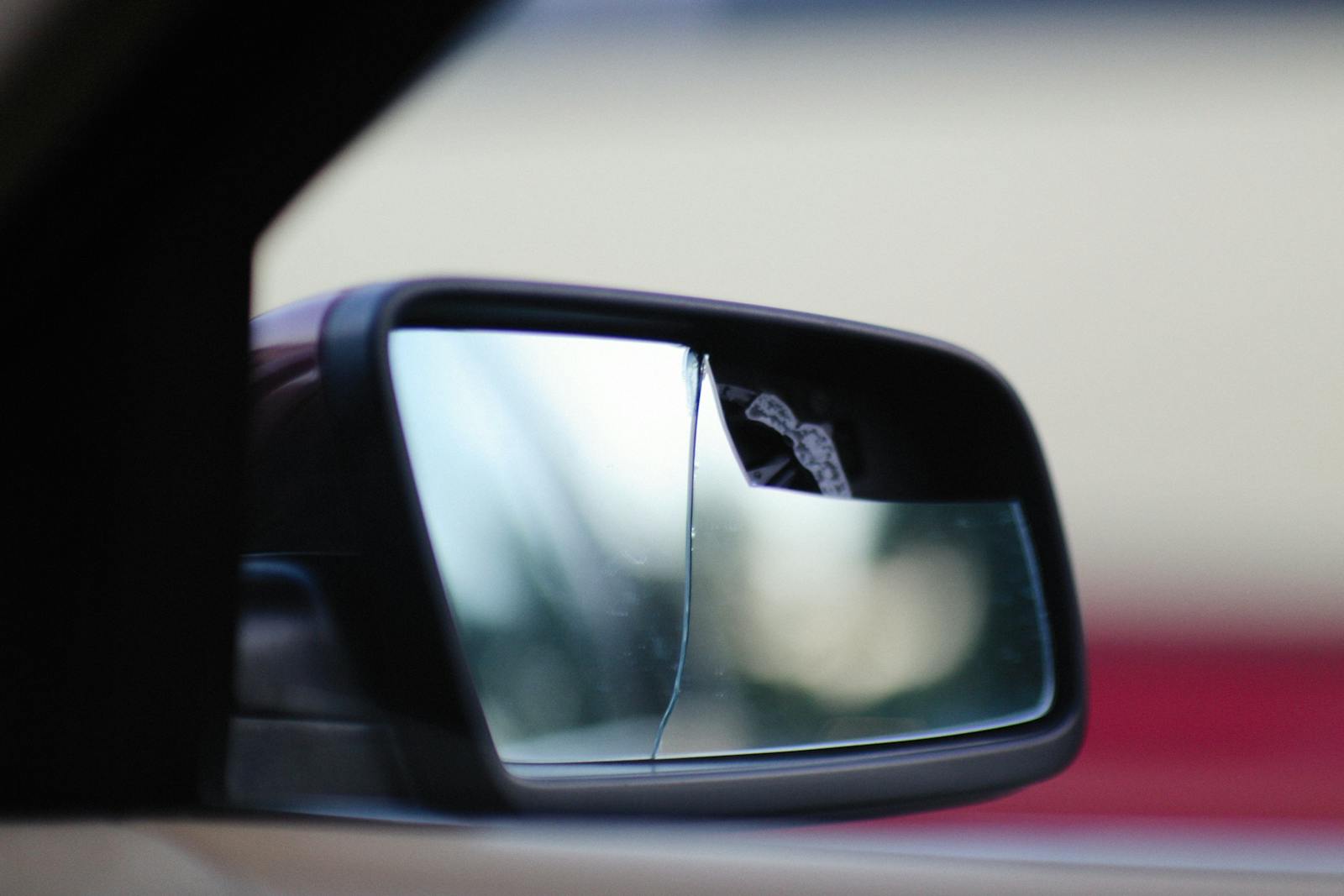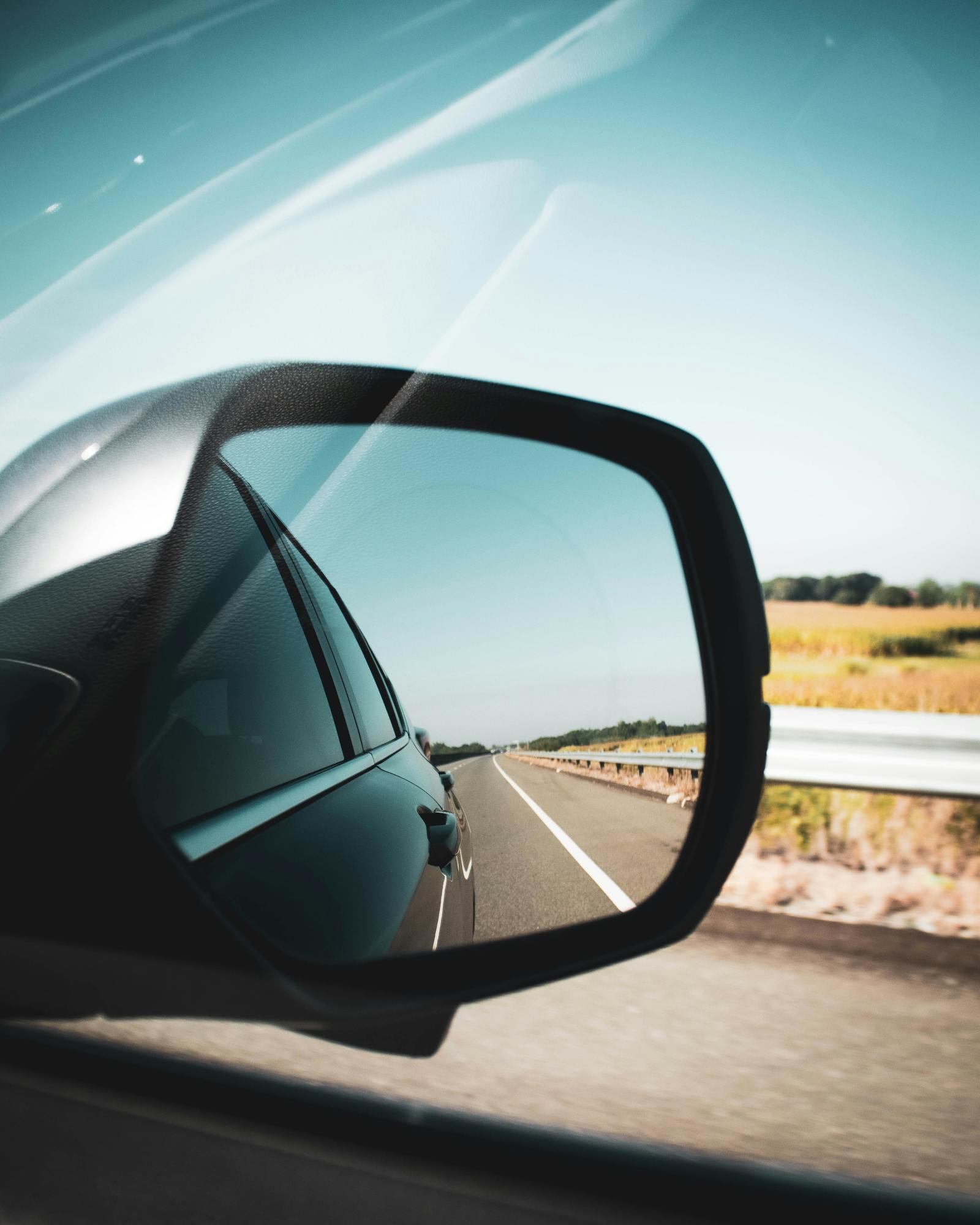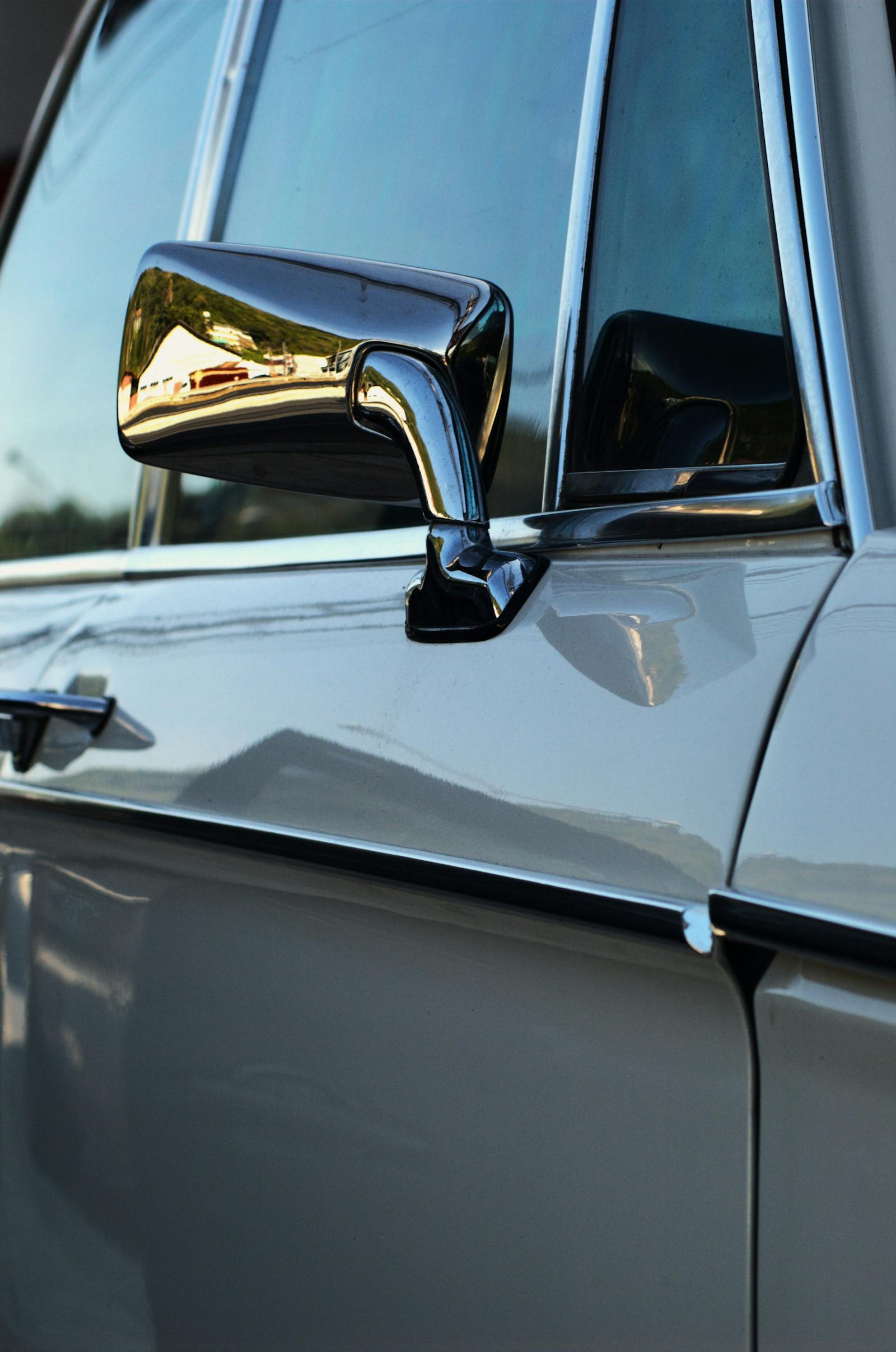


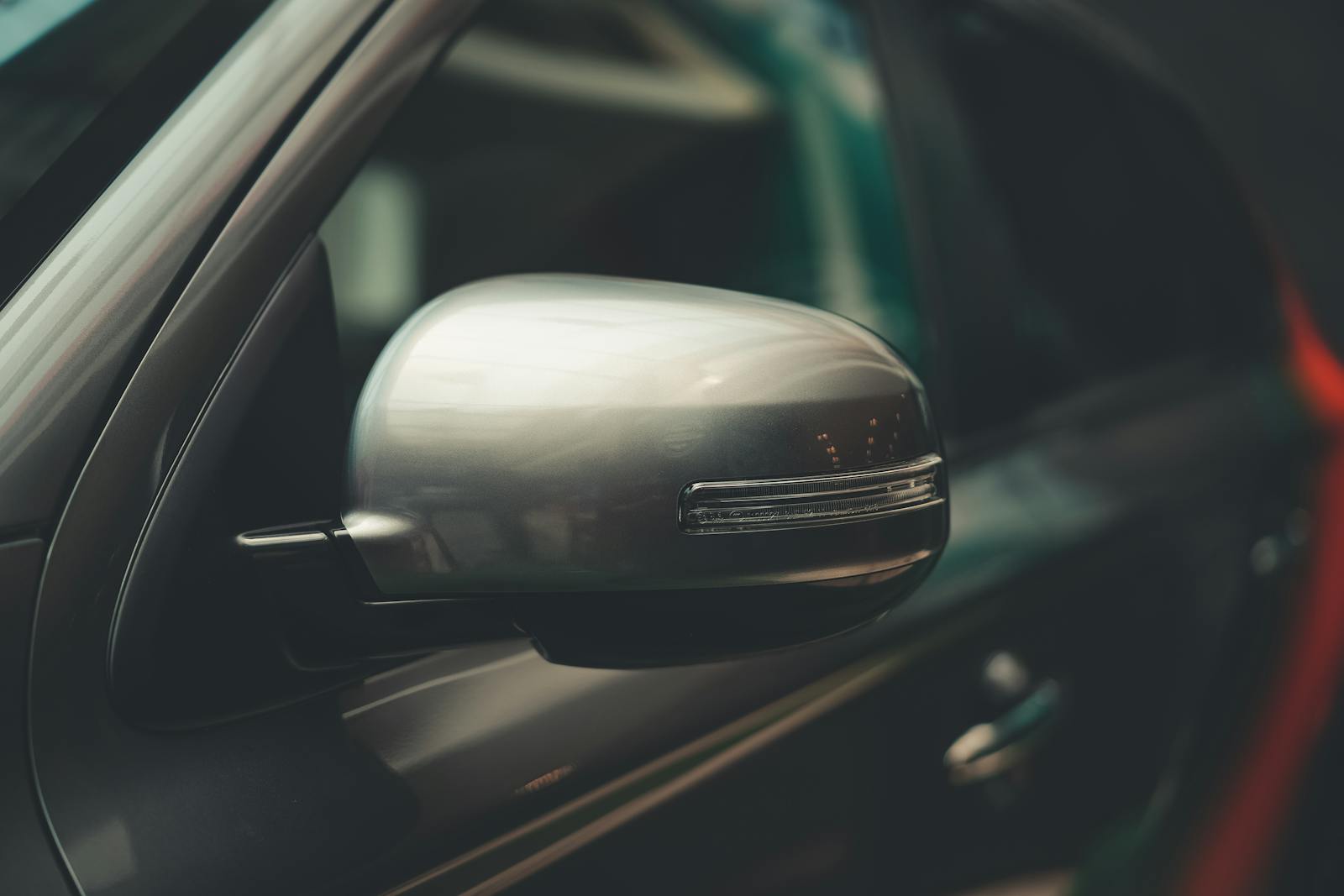
A wobbling mirror or a cracked glass is an MOT fail. Here is which part you actually need, how to tell stick on from clip on at a glance, and what to pay.
A wing mirror that wobbles, fogs over, or shows a spider crack across the glass is more than a cosmetic problem. It is an MOT fail in most cases, and the police can pull you for driving with one. The good news is that fixing it at home almost always costs less than fifty pounds and takes under half an hour. Here is what to buy and how to think about the job.
The four things that can go wrong
When people say their wing mirror is broken, they usually mean one of four things. Working out which one matters because the part you order is different for each.
- The glass is cracked or shattered. The plastic backing plate is probably fine. You only need replacement glass.
- The plastic cover (the painted cap) is scuffed or hanging off. The mirror still works. You need a new cover, usually sold primed for paint matching.
- The indicator lens inside the housing is cracked. The bulb still flashes but rain gets in. You need a new lens, sometimes called a repeater.
- The whole housing is hanging off after a clip. The arm or the motor inside is damaged. You need the full mirror assembly.
Open the door and look at the back of the mirror housing. If you see a clean line where the cover meets the body, the glass and the cover are separate parts. If you see one moulded piece, you may be looking at a unit where everything ships together.
Stick on or clip on, what is the difference
For glass, the two main fitments are stick on and clip on. A stick on glass goes straight over the top of your existing broken glass using heavy duty adhesive pads that come pre-applied. You do not remove the old glass at all. This is the easiest job in the world and it suits any panel van or family hatchback where the original glass is still bonded to the backing plate.
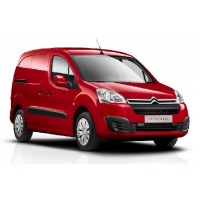
A clip on glass comes with its own backing plate moulded on. You pop the old glass and plate out of the housing, then clip the new one in. It feels OEM when you are done because that is exactly what the factory did during assembly. Most older Citroens, Peugeots and Fiats with heated mirrors are clip on.
What heated means in practice
If your mirror demists when you switch the heated rear screen on, you have heated glass. There are two thin wires running from the backing plate into the housing. Replacement heated glass costs about three pounds more than the basic version and uses identical fitment. The polarity does not matter because the heating element is a simple resistor. Connect either wire to either tag.
Skip the heated version on a budget run only if you genuinely never use the rear demist. For most UK winter drivers it pays for itself on the first frosty Monday.
Quality, warranty and what to actually pay
OEM grade aftermarket parts that meet the E-Mark approval cost a fraction of dealer prices. A pair of heated, anti glare, wide angle blind spot glasses for a Transit Custom is around twenty five pounds. The same pair from a main dealer is closer to one hundred and forty. Spec to look for:
- E-Mark approval stamped on the back of the glass. Required for legal road use.
- Two year warranty minimum. Anything less means the supplier expects fitment failure.
- Pre applied adhesive pads on stick on glass, not loose double sided tape in the box.
- Backing plate included on clip on glass, with the same number of locating tabs as the original.
Order the correct fitting side. Left passenger and right driver are not interchangeable on most vehicles because the convex curve and the heated element layout differ.